The State of Renewable Energy in Sub-Saharan Africa 2024
Executive Summary
Sub-Saharan Africa stands at a critical juncture in its energy transition. With over 600 million people still lacking reliable electricity access and growing energy demand driven by economic growth and industrialization, renewable energy deployment has become imperative. This comprehensive analysis examines the current state of renewable energy capacity, investment trends, and policy developments across the region in 2024.
Current Capacity Status
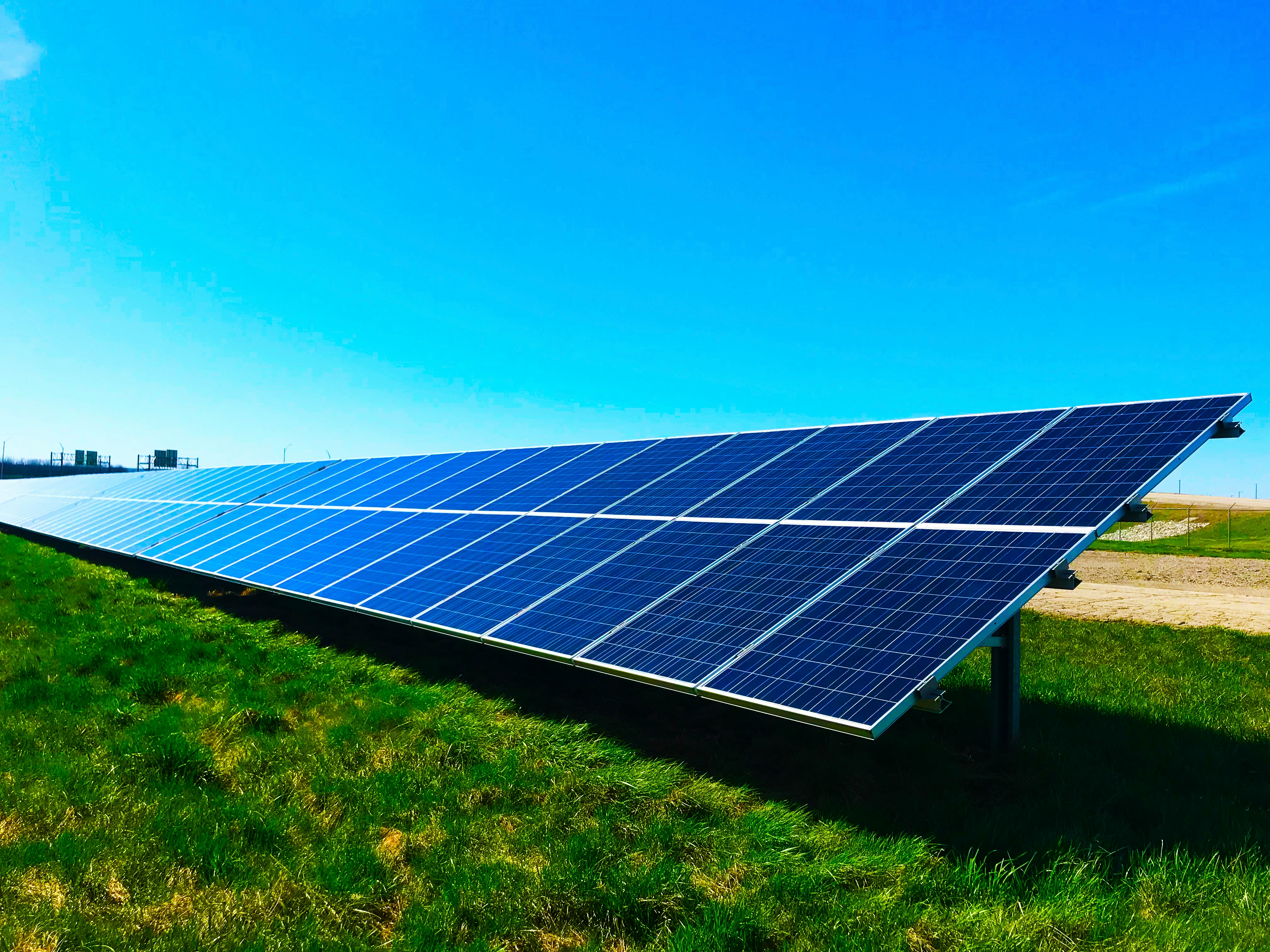
Sub-Saharan Africa's total installed renewable energy capacity has grown to approximately 185 GW as of 2024, representing a 12% increase from 2023. Solar energy now accounts for roughly 45% of all renewable capacity additions, while wind and hydroelectric power continue to play significant roles. However, this growth remains uneven across the region, with East African countries like Kenya, Tanzania, and Ethiopia leading the deployment curve.
Kenya, in particular, has established itself as a renewable energy leader with approximately 3.5 GW of installed solar capacity and an ambitious target of 100% renewable energy by 2030. The country's diverse renewable resource portfolio—combining geothermal, wind, solar, and hydroelectric power—positions it uniquely among African nations to achieve this goal.
Investment Landscape
Total renewable energy investments in Sub-Saharan Africa reached $13.5 billion in 2023, with projections suggesting continued growth through 2024. Major investment flows have been driven by:
- Multilateral development banks increasing renewable energy financing by 25% year-over-year
- Private sector participation growing through blended finance mechanisms and concessional lending
- Corporate renewable procurement agreements becoming increasingly common among multinational enterprises
- Green bonds and sustainability-linked financing instruments gaining traction in regional markets
Policy and Regulatory Evolution
The regulatory environment across Sub-Saharan Africa has undergone significant transformation. Kenya's updated Energy Bill (2024) has streamlined project approval processes and introduced competitive procurement mechanisms for utility-scale projects. Rwanda, Uganda, and Tanzania have similarly modernized their energy policies to encourage renewable energy deployment and attract international investment.
Grid integration challenges remain a critical concern, with many countries investing heavily in energy storage solutions and grid modernization. Battery energy storage systems (BESS) have emerged as essential infrastructure, with Kenya's Maingi Tier III Data Centre project exemplifying the trend toward hybrid renewable-storage solutions.
Market Opportunities and Challenges
The renewable energy market in Sub-Saharan Africa presents substantial opportunities:
- Utility-scale solar projects remain cost-competitive with fossil fuel alternatives, with levelized costs of electricity (LCOE) declining 25% over the past three years
- Mini-grid and off-grid solutions are rapidly expanding energy access in remote areas, creating new market segments
- Manufacturing and local content development opportunities are emerging, particularly in solar component assembly
- Green hydrogen and e-fuels represent frontier opportunities for industrial decarbonization
However, significant challenges persist:
- Financing constraints and high cost of capital remain barriers to project development
- Currency volatility and macroeconomic headwinds create investment uncertainty
- Grid infrastructure limitations restrict renewable energy integration in some regions
- Skills gap and local technical capacity require continued development investment
Regional Outlook and Conclusions
The renewable energy transition in Sub-Saharan Africa is accelerating, driven by improving economics, supportive policies, and increasing international climate finance. Countries like Kenya are demonstrating that ambitious renewable energy targets are achievable through strategic planning, public-private partnerships, and sustained policy commitment.
Looking forward to 2025 and beyond, the region is positioned for continued capacity growth, with projections suggesting renewable energy could account for 60% of new generation capacity additions across Sub-Saharan Africa. Success will depend on addressing financing gaps, strengthening grid infrastructure, and building local technical capacity.
The renewable energy revolution in Sub-Saharan Africa is not merely an environmental imperative—it represents a significant economic opportunity for inclusive growth and energy security across the region.
Interested in Kenya's Renewable Projects?
Learn more about our flagship renewable energy projects transforming Kenya's energy landscape.