Mini-Grids as a Path to Universal Energy Access
The Energy Access Crisis
Despite decades of development efforts, approximately 775 million people globally lack access to electricity, with Sub-Saharan Africa accounting for over 80% of this burden. In Kenya specifically, while urban electrification has reached 85%, rural electrification remains below 50%, leaving millions without reliable energy access. This disparity perpetuates cycles of poverty, limits educational opportunities, and constrains economic development in remote regions.
Traditional grid extension faces significant challenges: high capital costs ($2-5 million per 100 km of transmission lines), long development timelines, and economic unviability in sparsely populated areas. Distributed renewable energy solutions—particularly mini-grids—offer a viable alternative for providing universal energy access.
What Are Mini-Grids?
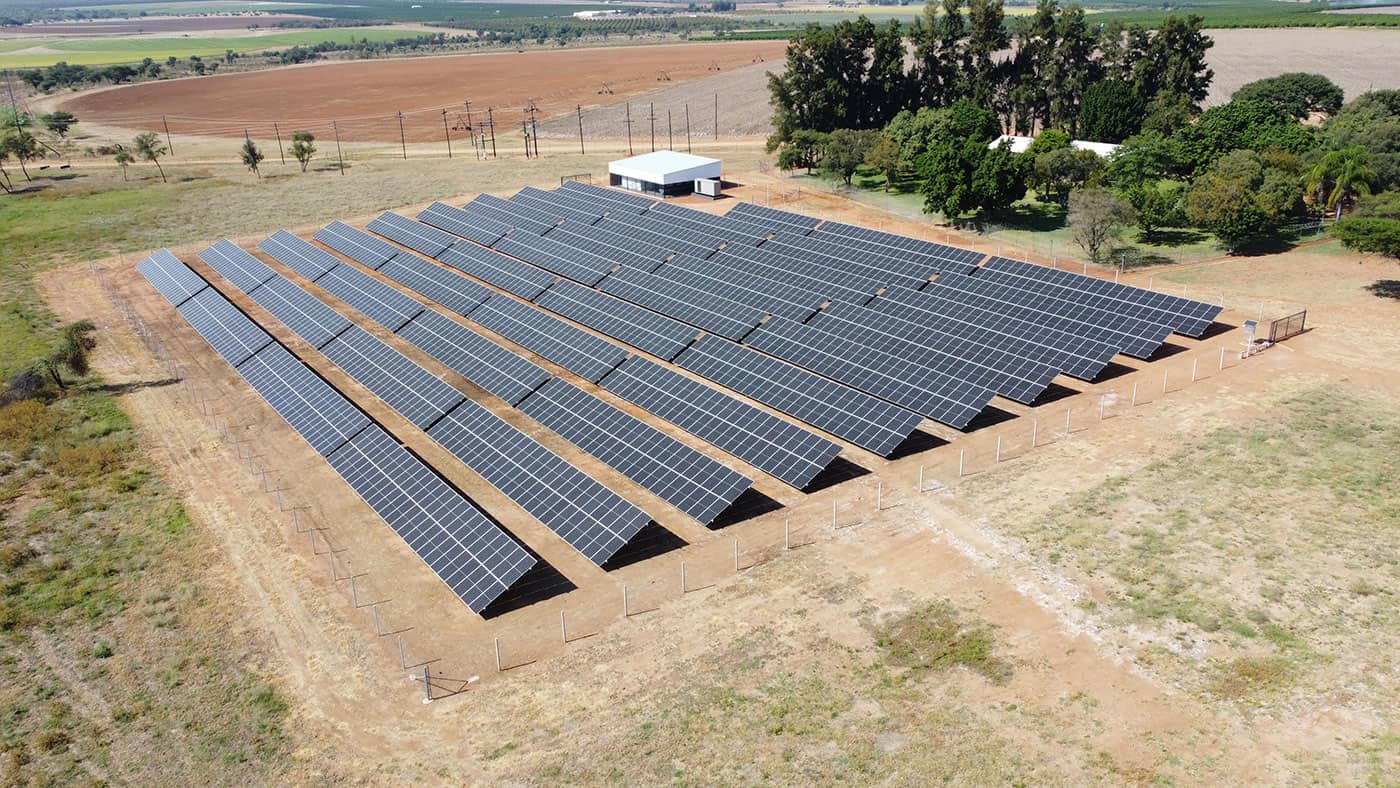
Mini-grids are small-scale electricity systems serving geographically defined areas, typically ranging from 10 kW to several megawatts. They operate independently or can be designed to connect to national grids when economically viable. Modern mini-grids typically combine solar generation with battery storage to provide 24/7 electricity, supplemented by diesel or biogas backup where necessary.
A typical mini-grid serving a rural community of 500-1,000 people might comprise:
- 20-50 kW solar photovoltaic array
- 30-100 kWh battery energy storage system
- Smart metering and control systems
- Low-voltage distribution network serving households and businesses
Economic Viability and Business Models
The economics of mini-grids have transformed dramatically as solar and battery costs have declined. A 50 kW mini-grid with battery storage costs approximately $150,000-200,000 to install, dropping from over $1 million five years ago. This cost decline has opened new business model possibilities.
Successful mini-grid business models in Kenya include:
- Community ownership models: Cooperatives and community organizations own and operate mini-grids, with operator training and ongoing technical support from specialized firms
- Private operator models: Entrepreneurs establish mini-grids with community participation, selling electricity at tariffs that ensure sustainability while remaining affordable
- Utility models: Government utilities or franchised operators manage mini-grids as part of rural electrification strategies
- Hybrid models: Anchor clients (schools, health centers, productive enterprises) combine with residential customers to improve project economics
Mini-Grids and Productive Use
Beyond household electrification, mini-grids enable productive economic activities that generate local income:
- Agricultural processing: Mill equipment, irrigation pumps, and cold storage enabling value addition
- Small manufacturing: Solar-powered workshops, welding, textiles, and handicraft production
- Digital services: Mobile charging, internet access, and cyber cafés creating employment and information access
- Health services: Reliable electricity enabling vaccine refrigeration, diagnostic equipment, and operational theatres
- Education: Powering schools, extending study hours, and enabling digital learning resources
Challenges and Solutions
Despite their potential, mini-grids face several implementation challenges:
Technical challenges: Battery degradation in high-temperature environments, demand management, and operator skill gaps require investment in training and redundant systems. Manufacturers are developing ruggedized batteries rated for tropical conditions, while innovative control systems enable automated load management.
Financial challenges: Upfront capital costs, currency risks, and community cash flow constraints limit deployment. Solutions include creative financing (results-based financing, carbon finance), bulk procurement to reduce costs, and mobile money integration for tariff collection.
Regulatory challenges: Unclear legal frameworks and conflicting regulations between different government agencies hamper mini-grid development. Kenya's Energy Act (2019) represents progress, establishing clear mini-grid licensing procedures and tariff-setting mechanisms.
Kenya's Mini-Grid Opportunity
Kenya has emerged as a leader in mini-grid innovation in East Africa. With approximately 400 mini-grids currently operational and targets to deploy thousands more, the sector is attracting both donor support and private investment.
The Kenyan government's support—through the Energy Sector Development Program, the Rural Electrification Authority's mini-grid strand, and supportive policy frameworks—has created an enabling environment. International organizations and private developers are increasingly viewing Kenya as a proven market for mini-grid technology and implementation approaches.
Pathways to Scale
Scaling mini-grids to reach millions requires coordinated action across multiple dimensions:
- Financing acceleration: De-risking mini-grid investments through guarantees and innovative financial instruments
- Technology standardization: Developing component standards and prefabricated systems to reduce costs and improve quality
- Operator training: Building local technical capacity for system operation, maintenance, and customer service
- Market development: Creating supply chains for components, spare parts, and technical services in local markets
- Productive use promotion: Integrated planning linking mini-grids with income-generating activities
Conclusion
Mini-grids represent a pragmatic, scalable solution to achieving universal energy access. Unlike large centralized systems requiring massive infrastructure investments and long development timelines, mini-grids can be deployed rapidly in underserved communities, enabling immediate benefits.
As costs continue declining and implementation experience accumulates, mini-grids will increasingly transition from development projects to mainstream business ventures. Kenya's progressive regulatory framework and proven implementation approaches position the country as a laboratory for distributed renewable energy solutions that can be replicated across Africa.
The path to universal energy access runs through thousands of small-scale renewable energy systems, each powered by solar energy and innovation, transforming communities and enabling African prosperity.
Partnering on Energy Access?
RenewaLink Africa combines expertise in utility-scale solar and distributed renewable solutions to address Africa's energy access challenges.