Financing Innovation: Blended Finance for African Solar Projects
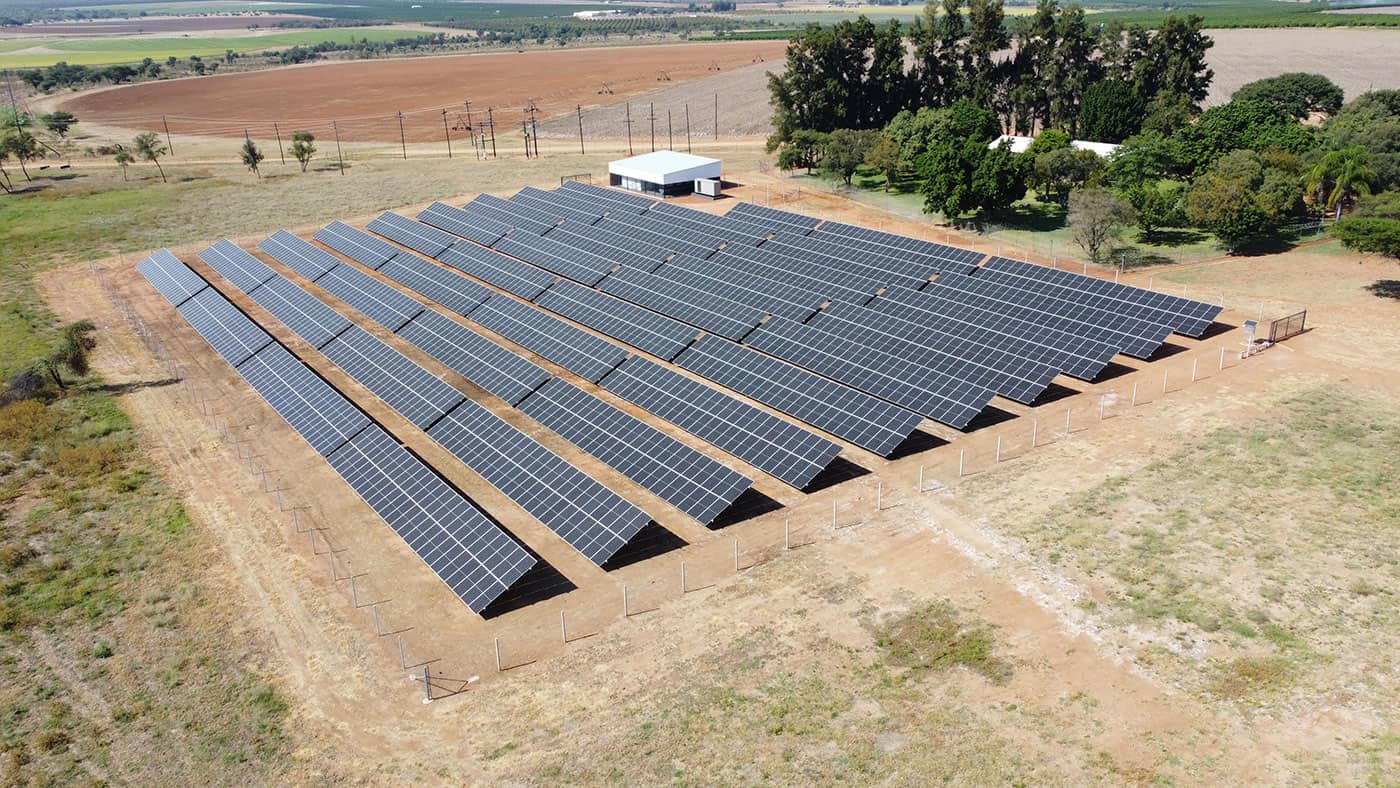
The Capital Challenge
Africa requires an estimated $50 billion annually in clean energy investments to meet climate targets and energy access goals. Yet traditional project finance mechanisms often fall short in bridging the capital gap, particularly for utility-scale solar projects that require significant upfront investment and face perceived risks from international investors unfamiliar with African markets.
Blended finance has emerged as a transformative solution. By strategically combining concessional capital from development finance institutions with commercial investment, blended finance structures reduce risk, improve project economics, and unlock capital from institutional investors who might otherwise avoid African renewable energy ventures.
Understanding Blended Finance
Blended finance structures strategically combine funding from different sources—typically development finance institutions, concessional lenders, commercial banks, and equity investors—to make renewable energy projects financially viable. The key principle: development finance institutions take subordinated positions, absorbing first-loss risk to attract commercial capital.
A typical blended finance structure for a $100M solar project might look like:
- First-loss capital (15-20%): Concessional loans and grants from development finance institutions (World Bank, AfDB, bilateral donors)
- Senior debt (50-60%): Commercial bank financing and bonds from institutional investors
- Equity (15-25%): Project sponsors and impact investors
Real-World Applications in Kenya
Kenya has become a testing ground for innovative blended finance mechanisms. The Lamu Solar Power Plant exemplifies how blended finance can accelerate project development. By securing concessional financing from multilateral development banks, the project achieved economic viability while securing commercial debt from regional and international lenders.
The Maingi Tier III Data Centre project demonstrates another innovative approach: using energy service agreements and off-take guarantees to attract commercial financing. By securing long-term power purchase agreements with anchor tenants, the project reduced demand risk and attracted investment from infrastructure funds seeking predictable cash flows.
Key Success Factors
Successful blended finance for African solar projects requires several critical elements:
- Robust Power Purchase Agreements: Long-term, bankable contracts from creditworthy offtakers (governments, utilities, corporates) provide revenue certainty essential for commercial lenders
- Experienced Sponsors: Developers with proven track records in Africa reduce perceived risk and attract institutional capital
- Technical Due Diligence: Rigorous engineering and environmental assessments reduce development risk and provide confidence to lenders
- Regulatory Alignment: Clear, stable energy policies and transparent procurement processes create investor confidence
- Local Content: Employment creation and community benefits strengthen social license and align with development finance institution mandates
The Role of Development Finance Institutions
Development finance institutions—including the World Bank, African Development Bank, bilateral development agencies, and impact investors—play critical roles in blended finance structures:
- Providing first-loss capital and concessional financing to improve project economics
- Offering policy advisory services to strengthen enabling environments
- Facilitating technical assistance for project development and capacity building
- Aggregating projects to reach scale and attract commercial investment
Emerging Innovations
The blended finance landscape continues to evolve with innovative instruments gaining prominence:
- Green Bonds: African development banks are increasingly issuing green bonds to finance renewable energy, attracting ESG-focused institutional investors
- Currency-hedging facilities: Reducing currency risk has become essential for attracting international capital in emerging markets
- Portfolio approaches: Aggregating multiple projects reduces individual project risk and attracts larger institutional investors
- Concessional guarantees: Risk mitigation instruments from multilateral agencies reduce lender concerns about sovereign and commercial risks
Looking Forward
Blended finance is no longer a niche approach—it has become essential infrastructure for renewable energy deployment in Africa. As more projects demonstrate success and market participants gain experience, the costs and complexity of structuring blended finance will decline, enabling faster scaling.
The next frontier involves moving beyond project-level blending toward programmatic approaches that support entire renewable energy markets. Kenya's ambitious renewable energy targets provide an ideal testing ground for these innovations.
Blended finance transforms renewable energy from a speculative opportunity into an attractive institutional investment. By strategically combining concessional and commercial capital, Africa can unlock the trillions needed to achieve energy security and climate goals.
Exploring Financing Partnerships?
RenewaLink Africa specializes in structuring innovative financing for utility-scale and distributed renewable energy projects across Kenya and East Africa.